


In diesem ArtikelAntippen und direkt zum Abschnitt springen
As of November 19, 2026. This guide explains how Yu-Gi-Oh! works, why Structure decks are the best starting point, and which products you really need.
In short: To get started with the Yu-Gi-Oh! TCG, it's best to buy a Structure Deck, a ready-to-play Deck built around a specific theme. This teaches you the basic rules (8000 Life Points, Main Deck with 40 to 60 cards, Extra Deck up to 15 cards), and you can expand it with booster packs later. If you want to try it out without spending money first, start with the free Yu-Gi-Oh! Master Duel.
Yu-Gi-Oh! explained in two minutes
In the Yu-Gi-Oh! Trading Card Game from Konami, two players face off against each other. Both start with 8000 Life Points (LP). Whoever brings their opponent's LP to 0 wins the duel. To do this, you summon Monsters, attack, and use Spell and Trap Cards to turn the tide of the game.
- Monster Cards: Have attack and defense values and fight for you.
- Spell Cards: Usually support you immediately during your turn.
- Trap Cards: Are set face down and activated later in response.
- Extra Deck Monsters: Fusion, Synchro, Xyz, and Link Monsters are not in the Main Deck, but in their own Extra Deck, and are brought into play through special summons.
You can find a more detailed player guide with turn sequence in our article How do you play Yu-Gi-Oh?.
What goes in a Yu-Gi-Oh! Deck?
| Area | Size | Contents |
|---|---|---|
| Main Deck | 40 to 60 cards | Monsters, Spells, Traps |
| Extra Deck | 0 to 15 cards | Fusion, Synchro, Xyz, and Link Monsters |
| Side Deck | 0 to 15 cards | Side cards for tournaments between duels |
| copies per card | max. 3 | combined across all three Decks, unless the banlist states otherwise |
| Life Points | 8000 | per Players at the start of the duel |
Many experienced Players deliberately stick close to 40 cards because then you draw your most important cards more often. For beginners, however, that's secondary: a ready-made Deck is already well put together.
Structure decks: the best way to get started
Structure decks are preconstructed decks built around an archetype. Unbox, shuffle, and play. Konami builds them so the cards work well together, and you can later strengthen the Deck in a targeted way; often, just a second or third copy of the same Structure decks is enough to make it significantly stronger.
For the coming months, Konami has announced, among others, these Structure decks:
- Structure Deck: Yugi Muto - Release on December 10, 2026, according to Konami, with 45 cards (40 Common, 3 Super Rare, 2 Ultra Rare) built around the Magnet Warriors and new Electromagnet Warriors.
- Structure Deck: Seto Kaiba, the counterpart featuring a revised Union strategy built around the ABC-Dragon Buster.
- Structure Deck: HERO Force, scheduled for February 25, 2027, according to Konami, with 55 cards (40 Main Deck, 15 Extra Deck) featuring Elemental, Destiny, Masked, and Vision HEROs.
The Yugi and Kaiba decks are especially appealing to returning players who remember the series from their school days. You can find new Structure decks in our Collection Box once they have been released.
To the Yu-Gi-Oh! Structure decks
The Egyptian God Decks are also a good, affordable, ready-made option to try out: small preconstructed decks built around one of the Egyptian gods from the anime series.
 Egyptian God Deck Slifer the Sky Dragon - EnglishView product →
 Egyptian God Deck Obelisk the Tormentor - EnglishView product →
Booster, tuck boxes, tins: what types of products are there?
Konami broadly divides its range into Booster packs, Structure decks, Starter decks, tins, and special products. What matters most to you is what you need the cards for:
- Core boosters (e.g. Burst of Destiny): The regular sets with new archetypes. Interesting if you want to play a specific new theme.
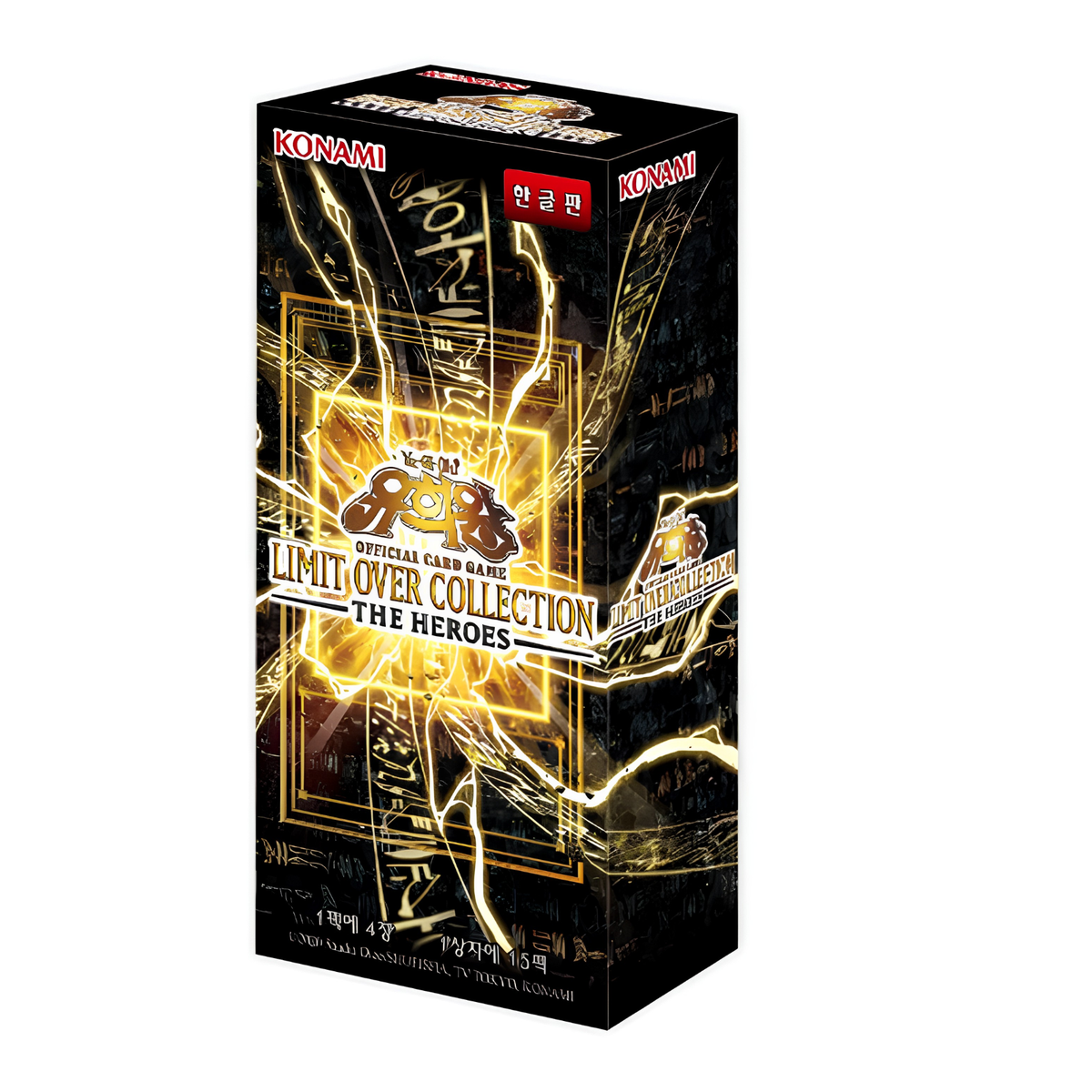
- Special sets and tuck boxes (e.g. Rarity Collection, Magnificent Maestros): Reprints of popular cards, often in special rarities. Better suited to Collectors and for getting familiar cards at a lower price.
- Retro and anniversary products: Reprints of classic sets like Legend of Blue Eyes White Dragon, especially for nostalgia fans.
- Mega-packs and tins: More cards per product, great as a gift.
 Yu-Gi-Oh! Burst of Destiny Booster Display - EnglishView product →
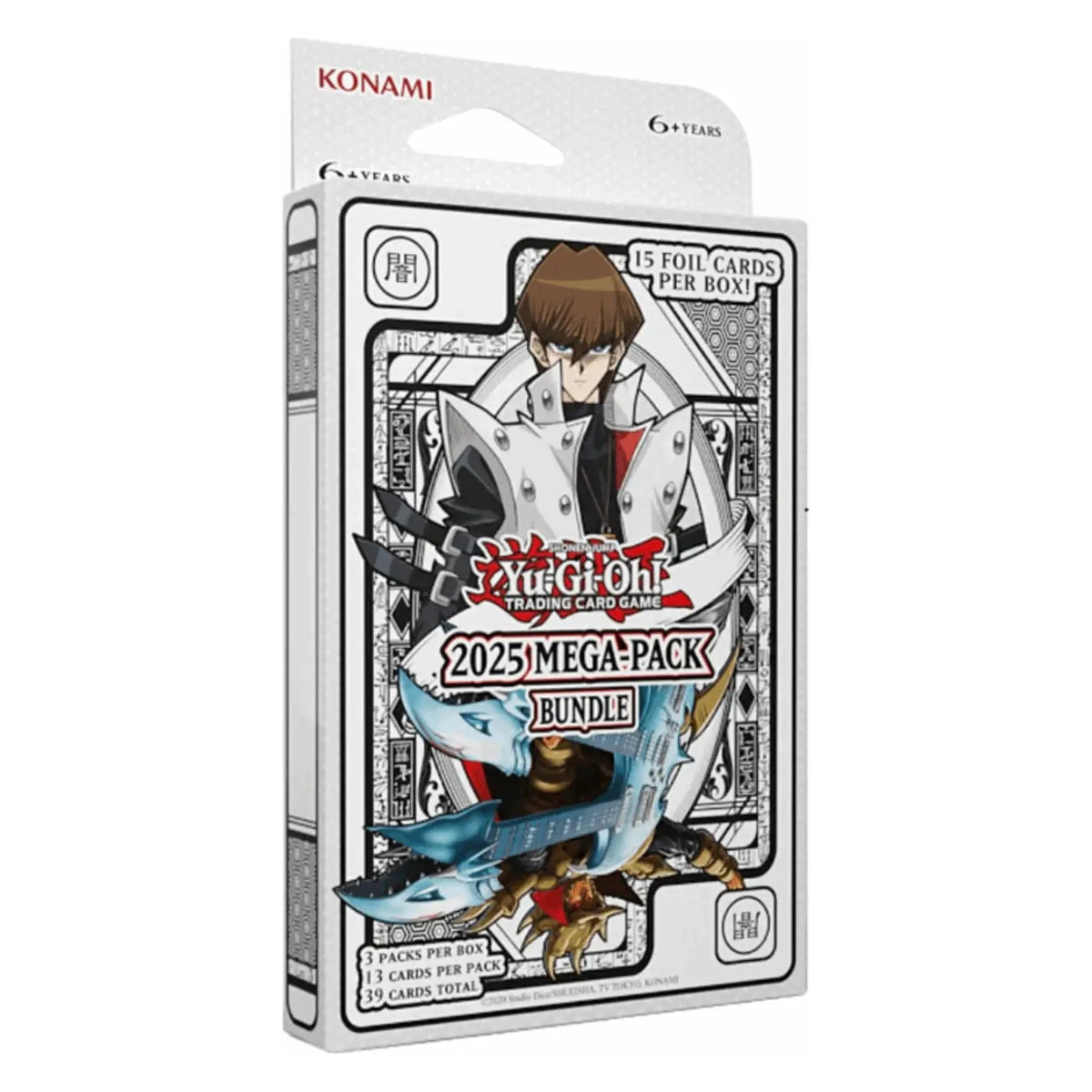
 Yu-Gi-Oh! 2025 Mega-Pack Bundle - GermanView product →
 Yu-Gi-Oh! Maze of Memories Booster Pack - EnglishView product →
 Yu-Gi-Oh! Rarity Collection 5 Booster Display - EnglishView product →
Our advice: As a Beginners, don't buy Boosters “on a whim.” Play a Structure Deck first, then see which cards your Deck is missing.
The banlist briefly explained
Konami regularly publishes the “Forbidden & Limited Cards List,” commonly called the banlist. It determines how many copies of certain cards you can play in a tournament:
- Forbidden: not allowed at all, in the Main, Extra, or Side Deck.
- Limited: no more than 1 copy.
- Semi-Limited: no more than 2 copies.
Konami does not specify a fixed schedule; the list is updated every few months. The banlist is not binding for game nights with friends, but it always applies in official tournaments. You can find the current version on the official Yu-Gi-Oh! page.
Master Duel: Practice for free
Yu-Gi-Oh! Master Duel is the official digital version from Konami and, according to the manufacturer, is free-to-play with optional in-game purchases. It runs on PlayStation, Xbox, Nintendo Switch, PC (Steam), as well as iOS and Android. The Solo Mode includes a tutorial on Monsters, Spells, and Traps, as well as explanations of Synchro, Xyz, Pendulum, and Link Summons.
For many, this is the most relaxed way to learn the rules before buying real cards. Just keep in mind: the digital version has its own banlist, which may differ from that of the card game.
What else you need
- Sleeves in Japanese Size: Yu-Gi-Oh! cards are smaller than Pokémon or Magic cards (around 59 × 86 mm). Standard sleeves are too large. See the details in the Sleeves-Size Guide.
- Deck Box: For your Main, Extra, and Side Deck, ideally with room for 75 to 100 sleeved cards.
- Playmat: Not required, but it protects your cards and helps with the zones.
And if you’d rather learn in person: Our store hosts Yu-Gi-Oh! open play sessions and tournaments. Dates are listed on our Events page.
Read more
- How do you play Yu-Gi-Oh? Rules and basics explained
- Card Sleeves sizes explained: Standard, Japanese Size, and Perfect Fit
- What is a Prerelease? How the pre-release event works
Frequently Asked Questions
Which Yu-Gi-Oh! product should I buy as a beginner?
A Structure Deck. It’s ready to play right away, has a cohesive theme, and can be expanded later. Booster packs are only worthwhile once you know which cards you’re missing.
How many cards do you need in a Yu-Gi-Oh! deck?
The Main Deck has 40 to 60 cards. You can also have an optional Extra Deck and Side Deck, each with up to 15 cards.
What does the banlist mean?
The Forbidden & Limited Card List determines which cards cannot be played at all, or may only be played once or twice in a tournament. Konami updates it at irregular intervals.
Is Yu-Gi-Oh! Master Duel really free?
Yes, according to Konami, Master Duel is free-to-play. There are optional in-game purchases, but you don’t need them to learn the rules.
Do Pokémon sleeves fit Yu-Gi-Oh! cards?
No, they’re too big and the cards slide around inside them. For Yu-Gi-Oh!, you need sleeves in Japanese Size.
Is Yu-Gi-Oh! available in German?
Yes, Konami also releases the TCG in Europe in German. Many products are available in both German and English.






Leave a comment
This site is protected by hCaptcha and the hCaptcha Privacy Policy and Terms of Service apply.